
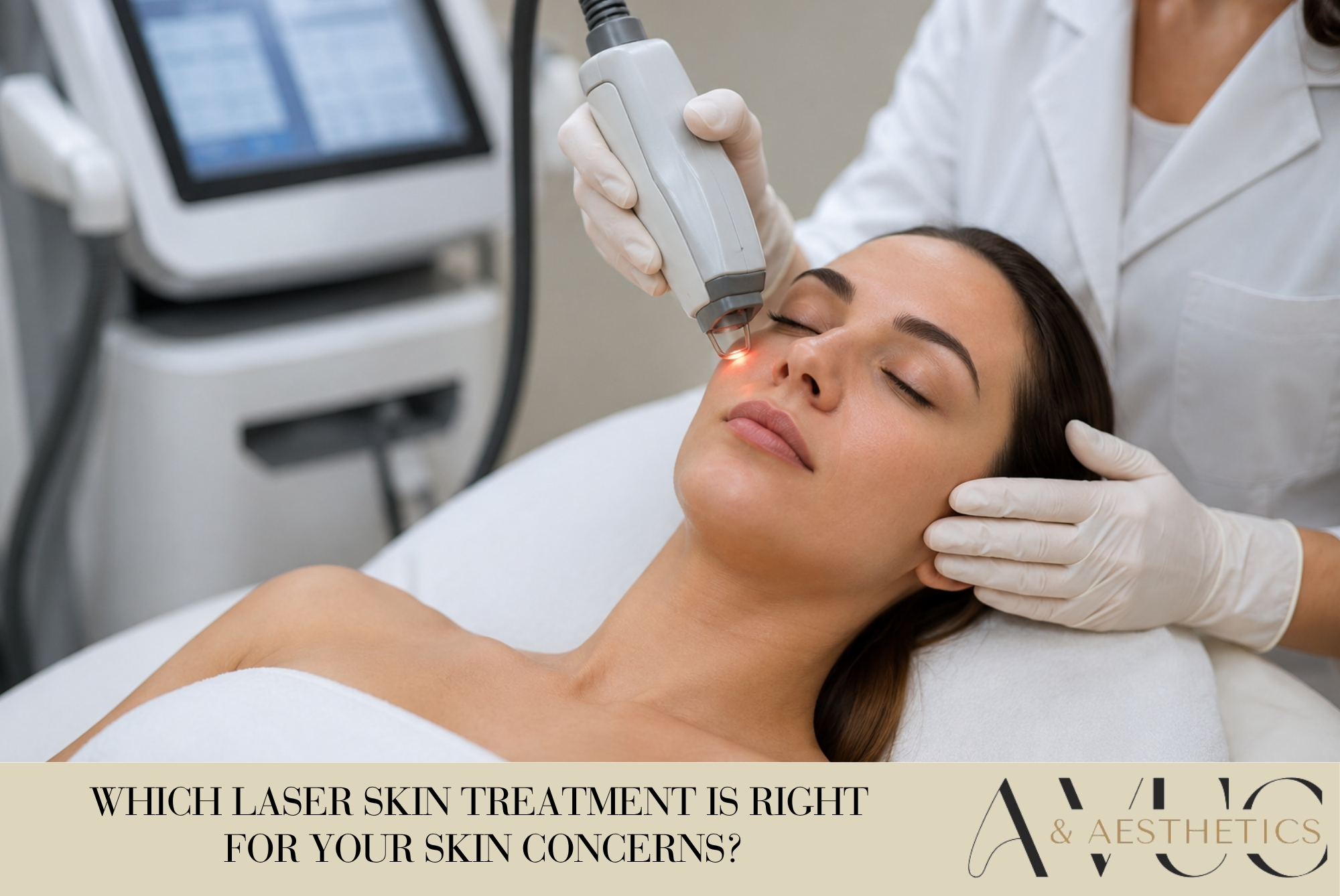
 Laser and light-based skin treatments have become popular options for people looking to improve the appearance of sun damage, uneven pigmentation, redness, acne scars, fine lines, unwanted hair, and other cosmetic skin concerns. However, not every laser treatment works the same way, and the treatment that is appropriate for one person may not be the best choice for another.
At Apricot Valley Urgent Care & Aesthetics, patients in Patterson and Modesto, California, can receive personalized aesthetic care based on their individual skin concerns, goals, skin characteristics, and medical history. Understanding the differences among common laser and energy-based treatments can help you have a more informed conversation with your provider and develop a treatment plan tailored to your needs.
How Do Laser Skin Treatments Work?
Laser skin treatments use concentrated light energy to target specific structures within the skin. Depending on the technology and wavelength being used, that energy may be absorbed by pigment, blood vessels, water in the skin, or hair follicles.
This selective targeting allows aesthetic providers to address particular concerns while limiting unnecessary effects on surrounding tissue. Some treatments primarily work at the skin’s surface, while others deliver energy more deeply to encourage remodeling and renewed collagen production.
The type and intensity of treatment can influence both the results and the recovery period. For this reason, selecting a treatment should involve more than simply choosing a procedure based on its name or popularity.
What Is the Difference Between Ablative and Non-Ablative Laser Treatments?
Ablative lasers remove or vaporize portions of the skin’s outer layers while delivering controlled thermal energy. These treatments may be used for concerns such as more pronounced texture irregularities, wrinkles, scars, and photodamage. Because they create a more significant controlled injury to the skin, ablative treatments generally involve greater downtime.
Non-ablative lasers typically deliver energy beneath the skin’s surface without removing the entire outer layer. They can stimulate collagen remodeling and address concerns such as pigmentation, fine lines, and mild-to-moderate textural changes, often with less recovery time than traditional ablative resurfacing.
Fractional technologies create microscopic treatment zones rather than treating the entire surface uniformly. Depending on the device, fractional treatments may be ablative or non-ablative.
Choosing a Laser Treatment Based on Your Skin Concern
The right treatment depends largely on what you want to improve. A provider may also consider your skin tone, sensitivity, previous treatments, medications, history of pigmentation changes, and how much downtime you are comfortable with.
Laser Treatments for Fine Lines and Wrinkles
Fine lines and wrinkles develop partly because collagen and elastin change with age and cumulative environmental exposure. Certain resurfacing and fractional laser treatments create controlled thermal effects that stimulate the skin’s natural repair processes and collagen remodeling.
Superficial concerns may be addressed with less intensive treatments, while deeper wrinkles or more extensive photodamage may require stronger resurfacing approaches.
Results are generally gradual because collagen remodeling takes time. A personalized consultation can help determine whether laser resurfacing, another energy-based procedure, injectable treatment, or a combination approach is appropriate.
Laser Treatments for Sun Damage and Dark Spots
Years of ultraviolet exposure can contribute to freckles, sun spots, uneven pigmentation, and an overall mottled complexion. Some laser and light-based technologies target excess melanin, the pigment responsible for many brown spots.
The energy is absorbed by targeted pigment, which may darken temporarily before gradually fading as the skin processes the treated material.
Not every dark spot should automatically be treated cosmetically. New, changing, irregular, bleeding, or otherwise concerning pigmented lesions should be medically evaluated before undergoing cosmetic laser treatment.
Laser Treatments for Acne Scars
Acne scars vary significantly in appearance and depth. Some are depressed, others have sharply defined edges, and some involve persistent discoloration rather than changes in skin texture.
Fractional laser resurfacing may be considered for certain types of acne scarring because controlled microscopic treatment zones can encourage collagen remodeling and gradual improvements in skin texture.
However, acne scars often require an individualized strategy. The appropriate approach depends on scar type, scar depth, skin tone, active acne, and previous treatments. Some patients may benefit from combining laser procedures with other aesthetic or dermatologic techniques.
Laser Treatments for Uneven Skin Texture
Rough texture, enlarged-looking pores, superficial scarring, and age-related skin changes may make the skin appear less smooth.
Resurfacing treatments can create controlled changes in the outer skin or deeper dermal tissue, depending on the technology used. As the skin heals and remodels, texture may gradually become smoother.
The number of sessions required varies considerably. A series of gentler treatments may be appropriate for some patients, while others may prefer a more intensive procedure with a longer recovery period.
Laser and Light Treatments for Redness and Visible Blood Vessels
Persistent facial redness and visible superficial vessels require a different treatment strategy from brown pigmentation.
Vascular lasers and certain light-based technologies target hemoglobin within blood vessels. Heat generated within the targeted vessel can cause it to collapse and gradually become less visible.
Because redness can have several underlying causes, including rosacea and other skin conditions, professional assessment is important before treatment.
Laser Treatments for Unwanted Hair
Laser hair reduction works by targeting pigment within hair follicles. The absorbed energy damages follicles to reduce their ability to produce new hair.
Because hair grows in cycles and only some follicles are actively growing at any given time, multiple sessions are generally necessary.
Hair color, skin tone, treatment area, hormonal influences, and the technology being used can all affect outcomes. Laser treatment tends to work best when the device and settings are appropriately selected for the individual’s skin and hair characteristics.
Does Skin Tone Affect Which Laser Treatment Is Appropriate?
Yes. Skin tone is an important consideration when selecting laser treatments.
Melanin is present in both the skin and many of the cosmetic targets lasers are designed to treat. If a device or setting causes too much energy to be absorbed by surrounding skin, the risk of burns, post-inflammatory hyperpigmentation, hypopigmentation, or other complications may increase.
This consideration is especially important for people with medium-to-deep skin tones and anyone with a history of developing pigmentation after inflammation or injury.
Having a darker skin tone does not automatically mean laser treatment is inappropriate. Rather, treatment requires careful selection of the technology, wavelength, energy settings, and treatment protocol.
How Does a Provider Determine the Right Laser Treatment?
An aesthetic consultation should begin with an evaluation of your concerns rather than simply selecting a device.
Your Primary Skin Concern
Your provider needs to determine exactly what you want to improve. A treatment designed primarily for unwanted hair is fundamentally different from one intended for vascular redness or resurfacing.
Your Skin Type and Pigmentation
Natural skin tone, recent tanning, sun exposure, and a history of hyperpigmentation can influence treatment selection and settings.
Your Medical History
Certain medications, health conditions, active infections, previous procedures, and a history of abnormal scarring may affect whether treatment is appropriate.
Tell your provider about medications, supplements, recent aesthetic treatments, and relevant medical history before undergoing a laser procedure.
Your Desired Results
Some people want subtle improvements with minimal interruption to their routine. Others are interested in more substantial resurfacing and are comfortable with a longer recovery period.
Discussing expectations beforehand allows your provider to recommend a treatment plan that better matches your goals.
Your Available Downtime
Recovery varies considerably between procedures. Some treatments may produce temporary redness or mild swelling, while more aggressive resurfacing can require a more substantial healing period.
Understanding expected downtime before scheduling treatment is particularly important when planning around work, travel, weddings, photographs, or other events.
What Should You Expect Before a Laser Skin Treatment?
Preparation varies according to the specific treatment.
Your provider may advise you to limit direct sun exposure and avoid tanning before treatment. Certain skincare products or medications may need to be adjusted temporarily when clinically appropriate.
Patients should disclose recent tanning, active skin irritation, cold sores, infections, pregnancy, medications, and recent cosmetic procedures.
Do not stop a prescribed medication unless the prescribing clinician or treating healthcare professional specifically advises you to do so.
What Happens During Laser Treatment?
The experience varies according to the device, treatment area, and intensity.
The skin is typically cleaned before treatment, and protective eyewear may be required. Depending on the procedure, topical anesthetic or other comfort measures may be used.
During treatment, patients may notice warmth, snapping sensations, or brief discomfort as energy is delivered to the targeted area.
Treatment time varies depending on the size and number of areas being treated.
What Is Recovery Like After Laser Skin Treatment?
Recovery depends heavily on treatment intensity.
After less aggressive treatments, temporary redness, warmth, tenderness, or mild swelling may occur. More intensive resurfacing procedures can involve peeling, crusting, swelling, or a longer period of visible healing.
Post-treatment instructions should be followed carefully. These may include gentle cleansing, moisturizing, temporarily modifying skincare products, and avoiding unnecessary irritation.
Why Is Sun Protection Important After Laser Treatment?
Sun protection is particularly important after many laser procedures because treated skin may be more vulnerable to ultraviolet exposure and pigmentation changes.
Patients should follow their provider’s recommendations regarding sunscreen, protective clothing, hats, and direct sun exposure.
Consistent sun protection can also help protect the cosmetic improvements achieved through treatment and reduce additional UV-related skin damage.
How Many Laser Treatments Will You Need?
There is no universal number of sessions.
The recommended treatment schedule depends on the technology, concern being treated, treatment intensity, individual response, and desired outcome.
Some resurfacing procedures may be performed less frequently because each session is more intensive. Gentler procedures and laser hair reduction commonly involve a series of appointments.
Your provider can recommend a treatment schedule after examining your skin and discussing your goals.
How Long Do Laser Skin Treatment Results Last?
Longevity depends on the condition being treated.
Changes produced through collagen remodeling may persist, but the natural aging process continues. Pigmentation can recur or new spots can develop with additional sun exposure. Hair reduction can be long-lasting, but future growth can occur and maintenance treatments may sometimes be needed.
Good skincare habits and consistent sun protection can help maintain results.
Can Laser Treatments Be Combined With Other Aesthetic Procedures?
In appropriate patients, laser and energy-based treatments may be incorporated into a broader aesthetic plan.
For example, one treatment might address skin texture while another addresses facial volume, dynamic wrinkles, or a different cosmetic concern.
Combination treatment does not necessarily mean performing multiple procedures simultaneously. Timing matters because the skin needs sufficient recovery between certain treatments.
A qualified provider should determine treatment sequence and appropriate intervals based on the procedures involved and the patient’s individual circumstances.
Who May Not Be an Appropriate Candidate for Laser Skin Treatment?
Laser treatment is not appropriate for everyone at every point in time.
Treatment may need to be delayed or modified for people with active skin infections, significant irritation, recent tanning or substantial sun exposure, certain medical conditions, particular medication use, or other factors that could affect healing or increase complications.
Pregnancy and a history of abnormal scarring, cold sores, or post-inflammatory pigmentation should also be discussed with the treating provider.
A consultation is the appropriate way to determine whether a specific treatment is suitable for you.
Why Personalized Laser Treatment Planning Matters
Terms such as “laser facial” or “skin resurfacing” can make laser procedures sound interchangeable. They are not.
Different technologies interact with tissue in different ways, reach different depths, and target different structures. Treatment settings also matter.
The most appropriate treatment is therefore not necessarily the strongest or newest technology. It is the treatment that appropriately matches the patient’s concern, skin characteristics, goals, medical history, and tolerance for recovery.
At Apricot Valley Urgent Care & Aesthetics, patients can discuss their aesthetic concerns with a provider and develop an individualized plan based on their needs.
Frequently Asked Questions About Laser Skin Treatments
Which laser treatment is best for my skin?
There is no single laser that is best for every patient. The appropriate technology depends on what you want to treat, your skin tone and characteristics, medical history, previous treatments, and desired downtime. An in-person consultation allows a provider to evaluate these factors before recommending treatment.
What laser treatment is best for dark spots?
Certain pigment-targeting lasers and light-based treatments may help improve some forms of unwanted pigmentation. However, the cause of the pigmentation should first be evaluated because not every brown or dark lesion is appropriate for cosmetic laser treatment.
Can laser treatments help acne scars?
Certain fractional and resurfacing laser procedures may improve the appearance of some acne scars by encouraging collagen remodeling. Treatment selection depends on the type, depth, and extent of scarring as well as the patient’s skin characteristics.
Can lasers remove wrinkles completely?
Laser resurfacing may improve fine lines and certain wrinkles, but no cosmetic procedure can guarantee complete removal of every wrinkle. Results vary according to treatment intensity, skin condition, age, and individual response.
Can laser treatments improve large pores?
Resurfacing treatments may improve overall skin texture and make pores appear less prominent in some patients. Pores cannot literally be permanently removed, and individual results vary.
Is laser skin treatment painful?
Comfort levels vary. Patients may experience warmth, tingling, snapping sensations, or temporary discomfort. Depending on the procedure, cooling methods or topical anesthetics may be used.
Are laser treatments safe for darker skin tones?
Some laser procedures can be performed on darker skin tones when appropriate technologies, wavelengths, and settings are selected. Because melanin can absorb laser energy, careful treatment selection is particularly important to reduce the risk of burns or unwanted pigmentation changes.
Can I get laser treatment if I have a tan?
Recent tanning can increase the amount of melanin in the skin and may increase the risk associated with some laser treatments. Tell your provider about recent sun exposure or tanning before treatment. Your appointment may need to be postponed depending on the procedure.
How long does facial redness last after laser treatment?
It depends on the procedure and treatment intensity. Some treatments cause relatively short-lived redness, while more intensive resurfacing can involve a longer recovery period. Your provider should explain the expected healing timeline before treatment.
When can I wear makeup after laser treatment?
This varies according to the procedure and how the skin is healing. Applying makeup too early after certain resurfacing treatments can irritate healing skin. Follow the post-treatment instructions provided by your healthcare professional.
How soon will I see laser treatment results?
Timing depends on what is being treated. Some pigmentation changes may become noticeable as treated pigment clears, while improvements related to collagen remodeling typically develop more gradually. Laser hair reduction also occurs progressively across multiple treatment sessions.
How often can laser skin treatments be performed?
Treatment intervals depend on the specific technology, intensity, treatment area, and healing response. More frequent treatment is not necessarily better. Your provider should establish an appropriate schedule based on the procedure and your response.
Does laser treatment permanently remove unwanted hair?
Laser treatment is generally described as hair reduction rather than a guarantee of permanent removal of every hair. Multiple sessions are usually needed, and some patients may eventually benefit from maintenance treatments.
Can laser treatment make pigmentation worse?
Pigmentation changes, including post-inflammatory hyperpigmentation or hypopigmentation, are potential risks of certain laser treatments. Risk varies with skin tone, treatment type, energy settings, sun exposure, and individual response. Proper patient selection and aftercare are important.
Should I avoid the sun after laser treatment?
Yes, sun protection is commonly recommended after laser procedures. Follow your provider’s specific instructions about direct sun exposure, sunscreen, hats, and other protective measures.
How do I choose between laser resurfacing and a gentler treatment?
Consider the severity of your concern, desired degree of improvement, skin characteristics, and how much recovery time you can accommodate. A consultation can help you compare the expected benefits, limitations, risks, and downtime of different approaches.
Can I have laser treatment before an important event?
Potentially, but timing should be planned carefully. Some treatments have little visible downtime, while others can cause redness, swelling, peeling, or crusting. Schedule a consultation well before an important event so your provider can recommend an appropriate timeline.
What should I ask during a laser treatment consultation?
Ask which technology is recommended for your specific concern, why it is appropriate for your skin, how many sessions may be needed, expected downtime, possible side effects, pre- and post-treatment instructions, and realistic expectations for results.
Schedule a Laser Skin Treatment Consultation
Choosing between different laser and light-based treatments can be difficult without knowing how each technology interacts with your skin.
A personalized consultation can help identify your primary concerns and determine which aesthetic options may be appropriate based on your skin characteristics, medical history, goals, and desired recovery time.
Apricot Valley Urgent Care & Aesthetics serves patients in Patterson and Modesto, California. Contact the practice to discuss available aesthetic services and determine which treatment options may be appropriate for your individual needs.
Contact Information
Apricot Valley Urgent Care & Aesthetics
Patterson Location
1108 Ward Ave, Bldg A, Suite 2
Patterson, CA 95363
Modesto Location
3401 Dale Road, Suite 642-A
Modesto, CA 95356
Phone: (209) 843-0434
Website: avucandaesthetics.com
Appointments: avucandaesthetics.com/appointments