
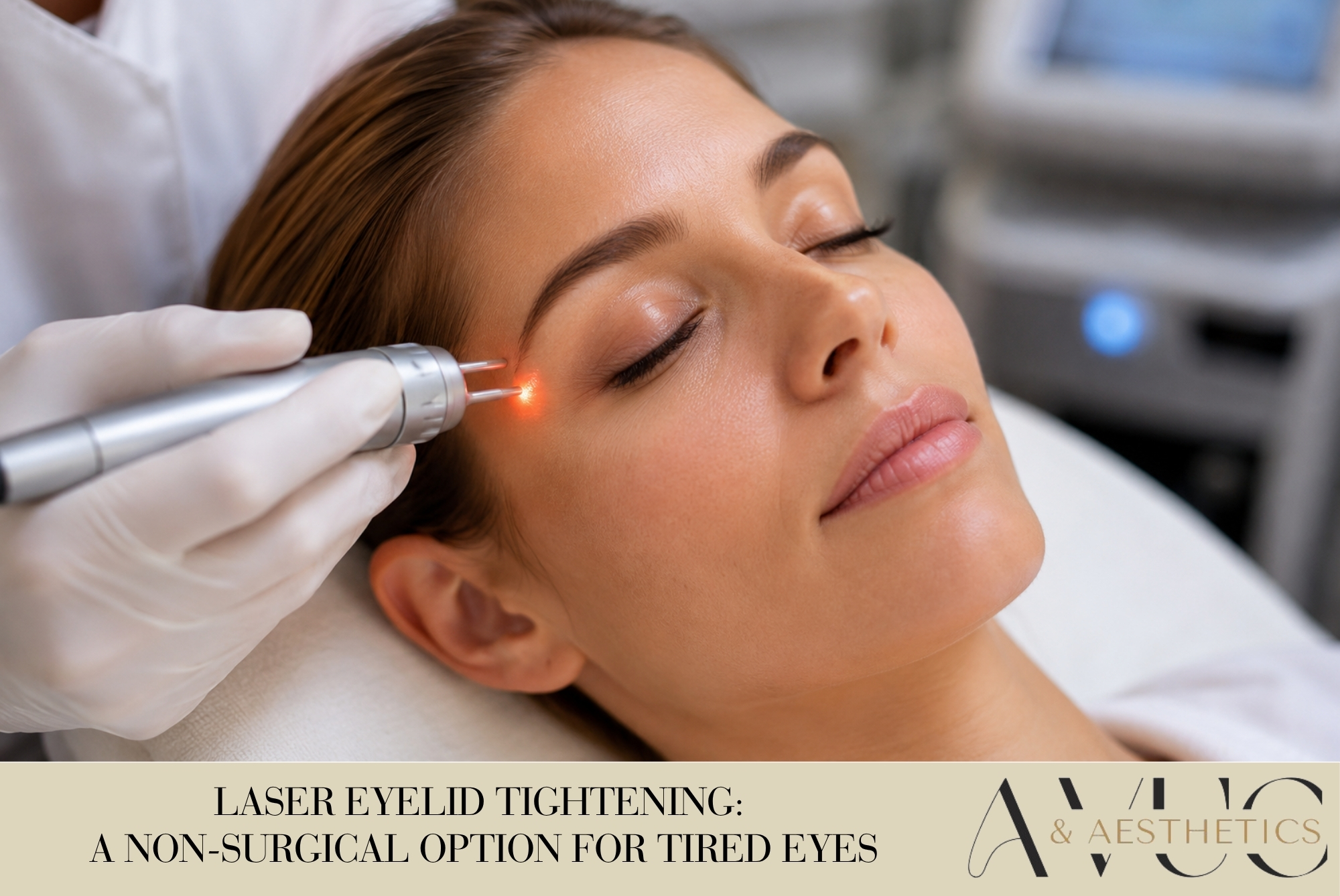
The skin around the eyes is among the thinnest and most delicate skin on the body, which is one reason it may show visible signs of aging earlier than other areas. Fine lines, mild skin laxity, crepey texture, and changes around the upper or lower eyelids can contribute to an appearance that patients describe as tired, even when they feel well-rested.
For people who want to refresh the appearance of the eye area without undergoing traditional eyelid surgery, laser eyelid tightening may be an option worth discussing with a qualified medical provider. Depending on the technology used and the patient’s individual needs, laser treatments can target the skin around the eyes to promote a smoother, firmer, and more refreshed appearance.
At Apricot Valley Urgent Care & Aesthetics, patients in Patterson, Modesto, and surrounding California communities can receive an individualized aesthetic consultation to determine whether laser-based skin treatments are appropriate for their concerns and goals.
What Is Laser Eyelid Tightening?
Laser eyelid tightening is a non-surgical aesthetic treatment designed to improve certain signs of aging and skin laxity around the eyes. Laser energy is delivered to carefully selected areas of the skin, where it can create a controlled treatment response.
Depending on the type of laser and treatment protocol, this process may stimulate the body’s natural healing response and support collagen remodeling. Collagen is an important structural protein that contributes to the skin’s firmness and elasticity.
Laser eyelid treatments may be considered for the upper eyelids, lower eyelids, or surrounding periorbital area, depending on the specific technology being used and the patient’s anatomy.
Laser treatment is not the same as surgical blepharoplasty, and it cannot reproduce every result that eyelid surgery can achieve. A consultation is therefore important for determining whether a non-surgical approach is appropriate.
Why Do the Eyes Begin to Look Tired With Age?
Several age-related changes can affect the appearance of the eyes. Collagen and elastin production naturally change over time, while repeated facial movements, sun exposure, genetics, and environmental factors may also influence how quickly visible changes develop.
Loss of Skin Firmness
As the structural support within the skin changes, the eyelid area may become thinner, looser, or more crepey. Even relatively small changes can be noticeable because eyelid skin is naturally delicate.
Fine Lines and Wrinkles
Repeated expressions such as smiling and squinting can contribute to lines around the eyes. Sun exposure and normal skin aging may make these lines more noticeable over time.
Upper Eyelid Laxity
Some people develop mild looseness or folding of upper-eyelid skin as they age. The severity can vary significantly between individuals.
Changes Under the Eyes
Lower-eyelid skin can also become thinner or less firm. Puffiness, shadows, pigmentation, volume loss, and under-eye bags may contribute to a tired appearance, although these concerns do not necessarily have the same cause and may require different treatments.
How Does Laser Eyelid Tightening Work?
Laser skin treatments use focused energy to create a controlled effect within targeted tissue. The precise mechanism and treatment depth depend on the laser system being used.
Some laser treatments primarily address the surface of the skin, while others deliver energy deeper into the tissue. Certain technologies combine resurfacing with thermal stimulation.
Collagen Remodeling
Controlled laser energy may stimulate a healing response that encourages collagen remodeling. Because collagen changes occur gradually, some improvements may continue developing after the initial recovery period.
Skin Resurfacing
When an appropriate resurfacing laser is used, treatment may improve aspects of skin texture and the appearance of fine lines. More intensive resurfacing generally involves greater recovery than gentler treatment approaches.
Gradual Skin Improvement
Laser eyelid tightening typically does not create the immediate structural changes associated with surgery. Instead, appropriate candidates may notice progressive improvements in skin quality and firmness as the treated area heals and remodels.
What Concerns Can Laser Eyelid Tightening Address?
Depending on the laser technology, treatment plan, and individual patient, laser treatment around the eyes may be considered for concerns such as:
- Mild eyelid skin laxity
- Crepey or thin-looking skin
- Fine lines around the eyes
- Uneven skin texture
- Certain signs of sun damage
- Early visible signs of aging around the eyes
Not every aesthetic concern around the eyes is caused by loose skin. Dark circles, prominent blood vessels, pigmentation, hollowness, fat pads, and significant excess skin may require different approaches.
An individualized evaluation helps determine what is actually contributing to the patient’s concerns before treatment is recommended.
Laser Eyelid Tightening vs. Eyelid Surgery
One of the most important distinctions for patients to understand is the difference between non-surgical laser treatment and blepharoplasty.
Laser Eyelid Tightening
Laser treatment generally focuses on improving skin quality, texture, fine lines, and certain degrees of laxity without surgically removing excess skin or fat.
Patients may choose a non-surgical approach because they prefer a less invasive treatment or because their concerns do not warrant surgery.
Surgical Blepharoplasty
Blepharoplasty is a surgical procedure that can remove or reposition excess skin and, when appropriate, fat around the eyelids. Surgery may be more suitable for patients with substantial excess eyelid skin, pronounced bags, or anatomical concerns that cannot reasonably be corrected with laser treatment alone.
Which Option Is Better?
Neither treatment is universally “better.” The appropriate approach depends on anatomy, severity of concerns, desired outcome, medical history, tolerance for downtime, and other individual factors.
A qualified medical assessment is especially important when eyelid drooping or excess skin affects vision, because functional eyelid problems require appropriate medical evaluation rather than being treated solely as cosmetic concerns.
What Are the Potential Benefits of Non-Surgical Eyelid Tightening?
For an appropriately selected patient, laser treatment may provide several advantages compared with a surgical procedure.
No Surgical Incisions
Laser skin tightening generally does not require the incisions used during conventional eyelid surgery.
Treatment Can Be Customized
Laser settings and treatment areas may be adjusted based on skin characteristics, aesthetic concerns, treatment goals, and the technology available.
Focus on Skin Quality
In addition to tightening effects, certain laser technologies may improve visible texture and fine lines, making them useful when skin quality is a primary concern.
Progressive Results
Collagen remodeling develops over time. This can produce a gradual change in the appearance of the treated skin rather than the structural change associated with surgery.
Who May Be a Candidate for Laser Eyelid Tightening?
Potential candidates may include adults who have mild to moderate cosmetic concerns around the eyes and want to explore a non-surgical treatment.
A good candidate should also have realistic expectations about what laser treatment can and cannot accomplish.
A Consultation Is Essential
Candidacy can depend on factors such as:
- Degree and location of skin laxity
- Skin type and pigmentation
- History of abnormal scarring or pigmentation changes
- Current medications
- Previous cosmetic treatments
- Eye and eyelid health
- Medical history
- History of cold sores or certain infections
- Sun exposure
- Desired cosmetic outcome
Certain laser technologies may carry different risks for different skin tones. Appropriate device selection, settings, preparation, and aftercare are therefore important considerations.
What Happens During a Laser Eyelid Tightening Treatment?
The exact experience varies according to the device and treatment protocol.
Before Treatment
A provider evaluates the eye area, discusses the patient’s concerns and expectations, reviews relevant medical history, and determines whether treatment is appropriate.
Patients should disclose medications, supplements, previous aesthetic procedures, eye conditions, skin conditions, and any history of unusual scarring or pigmentation changes.
During Treatment
The treatment area is prepared, and appropriate eye protection is used according to the laser system and treatment area. Depending on the procedure, topical anesthetic or another comfort measure may be used.
The provider then delivers controlled laser energy to predetermined areas.
After Treatment
Temporary redness, warmth, swelling, sensitivity, dryness, or changes in skin appearance may occur after laser treatment. More intensive resurfacing procedures can involve peeling, crusting, or a longer recovery period.
Patients receive aftercare instructions based on the specific procedure performed.
How Much Downtime Is Needed After Laser Eyelid Tightening?
Downtime depends heavily on the laser technology and intensity of treatment.
Gentler treatments may involve relatively limited recovery, while more aggressive resurfacing can require several days or longer for visible healing.
Because the eyelids are delicate and swelling can be noticeable in this area, patients should discuss expected recovery before scheduling treatment, particularly if they have an upcoming event.
When Will Results Become Visible?
Results vary by patient and procedure.
Some changes may become noticeable as initial swelling and redness resolve, while improvements associated with collagen remodeling can develop progressively over the following weeks or months.
The number of treatments required also depends on the technology, treatment intensity, skin condition, and desired outcome. Some patients may undergo a series of treatments, whereas other laser procedures are performed less frequently.
No cosmetic treatment can guarantee a particular result.
How Long Do Laser Eyelid Tightening Results Last?
The duration of improvement varies. Laser treatment does not stop the natural aging process, and the skin will continue to change over time.
Factors such as age, genetics, sun exposure, skincare, smoking, environmental exposure, and the type of laser procedure can influence how the skin looks after treatment.
A provider may recommend an appropriate skincare routine, sun protection, or periodic maintenance treatments based on individual needs.
Is Laser Eyelid Tightening Safe?
Laser treatments can be performed safely in appropriately selected patients when proper equipment, technique, eye protection, and treatment protocols are used. However, laser procedures are not risk-free.
Possible side effects and complications can vary by device and may include redness, swelling, discomfort, peeling, temporary changes in pigmentation, prolonged pigmentation changes, infection, scarring, or other unwanted skin changes.
Because treatment occurs close to the eyes, proper patient selection and eye-safety precautions are particularly important.
Patients should discuss expected benefits, alternatives, recovery, and potential risks with their provider before treatment.
How Should You Prepare for Laser Treatment Around the Eyes?
Preparation instructions vary depending on the type of laser procedure.
Review Medications and Medical History
Tell your provider about prescription medications, over-the-counter medications, supplements, allergies, skin conditions, previous cosmetic procedures, and relevant medical conditions.
Do not stop a prescribed medication unless the clinician who manages it advises you to do so.
Protect Your Skin From the Sun
Excessive sun exposure can complicate many laser treatment plans. Patients may be advised to avoid tanning and use appropriate sun protection before and after treatment.
Follow Your Provider’s Skincare Instructions
Some skincare ingredients may need to be temporarily discontinued before or after certain laser treatments. Follow the specific instructions provided for your procedure rather than making changes independently.
What Is Recovery Like?
Recovery depends on treatment intensity, but careful aftercare can help support healing.
Follow Post-Treatment Instructions
Patients should follow the individualized cleansing, moisturizing, medication, or skincare instructions given by their provider.
Avoid Picking or Scratching
If the skin becomes flaky or begins peeling, allowing it to heal naturally can help reduce unnecessary irritation.
Use Appropriate Sun Protection
Freshly treated skin may be particularly sensitive to ultraviolet exposure. Following the provider’s sun-protection recommendations is an important part of post-treatment care.
Know When to Contact Your Provider
Patients should contact their healthcare provider if they experience symptoms that are severe, unexpected, worsening, or concerning after treatment.
Can Laser Eyelid Tightening Replace Blepharoplasty?
Not in every case.
Laser eyelid tightening may be useful when the primary concerns involve skin quality, fine lines, or relatively mild laxity. It cannot necessarily correct substantial excess skin, pronounced fat deposits, significant eyelid drooping, or every structural change associated with aging.
Patients who expect surgical-level removal of excess tissue from a non-surgical procedure may be disappointed. An appropriate consultation should establish realistic expectations before treatment.
Why Choose a Personalized Approach to Eyelid Rejuvenation?
“Tired eyes” is a description rather than a single diagnosis. Two people who describe exactly the same concern may have completely different underlying causes.
One person may primarily have fine lines and skin laxity, while another has pigmentation, volume loss, prominent under-eye fat, or a combination of concerns.
For this reason, effective aesthetic care begins with evaluating the patient’s anatomy rather than automatically recommending a particular procedure.
At Apricot Valley Urgent Care & Aesthetics, an aesthetic consultation can help determine whether laser treatment or another approach is suitable for a patient’s individual goals.
Frequently Asked Questions About Laser Eyelid Tightening
What is laser eyelid tightening?
Laser eyelid tightening is a non-surgical aesthetic treatment that uses controlled laser energy to address certain skin concerns around the eyes. Depending on the laser technology, treatment may promote collagen remodeling and improve the appearance of fine lines, texture, or mild skin laxity.
Can laser treatment tighten loose upper eyelid skin?
Laser treatment may improve certain degrees of skin laxity in appropriately selected patients. Significant excess skin, however, may not respond sufficiently to non-surgical treatment and may require evaluation for other options.
Can laser treatment help lower eyelids?
Certain laser procedures can be used around the lower eyelid and surrounding eye area to address concerns such as fine lines, texture, and skin quality. Whether treatment is appropriate depends on the patient’s anatomy and the technology being used.
Does laser eyelid tightening remove under-eye bags?
Not necessarily. Under-eye bags can result from fat distribution, skin laxity, fluid retention, anatomy, or a combination of factors. Laser skin treatment cannot correct every cause of under-eye bags, so an assessment is necessary to determine the appropriate treatment.
Can laser eyelid tightening treat dark circles?
Dark circles have many possible causes, including pigmentation, visible blood vessels, thin skin, shadowing, and under-eye hollowness. Laser treatment may be appropriate for certain causes but not others.
Is laser eyelid tightening painful?
Patient experiences vary according to the type and intensity of laser treatment. Comfort measures may be used when appropriate. Patients should ask their provider what sensations to expect with the specific treatment being recommended.
How long does a laser eyelid treatment take?
Treatment time varies according to the laser technology, the size of the treatment area, preparation requirements, and whether other areas are treated during the same appointment. Your provider can give you a more accurate estimate during consultation.
How many laser eyelid treatments will I need?
There is no universal number. The recommended treatment schedule depends on the technology being used, treatment intensity, skin characteristics, and individual goals.
How quickly will I see results?
Some visible changes may appear after the initial recovery period, while improvements associated with collagen remodeling may develop gradually over several weeks or months. Individual results vary.
How long is the recovery period?
Recovery can range from relatively limited downtime with gentler procedures to a longer healing period after more intensive laser resurfacing. Patients should obtain procedure-specific recovery instructions before treatment.
Can I wear makeup after laser eyelid treatment?
The appropriate timing depends on the type and intensity of treatment and how the skin is healing. Patients should follow their provider’s instructions about when makeup and skincare products can safely be resumed.
Can all skin tones receive laser eyelid treatments?
People with a wide range of skin tones may be candidates for certain laser treatments, but the appropriate device, wavelength, settings, and treatment strategy can differ. Some procedures carry a greater risk of pigment changes in particular skin types, making individualized evaluation important.
Is laser eyelid tightening permanent?
Laser treatment does not permanently stop aging. Improvements may last for a period of time, but the skin continues to change naturally with age and environmental exposure.
Is laser eyelid tightening the same as a laser blepharoplasty?
No. Terminology can vary, but non-surgical laser skin tightening should not be confused with surgical blepharoplasty. Blepharoplasty involves surgical alteration or removal of eyelid tissue, whereas non-surgical laser treatments primarily target the skin.
What is the difference between laser eyelid tightening and Botox?
They address different concerns. Laser treatments generally target skin quality, texture, or laxity, while botulinum toxin treatments temporarily reduce activity in selected facial muscles and may soften certain expression lines. A provider can determine which approach is appropriate for a particular concern.
What is the difference between laser eyelid tightening and dermal fillers?
Laser treatments and dermal fillers work differently. Lasers primarily affect the skin and its remodeling response, whereas fillers add volume in carefully selected areas. Because the eye area has complex anatomy, treatment recommendations should be individualized.
Am I too young for laser eyelid tightening?
Age alone does not determine candidacy. A provider evaluates the patient’s specific concerns, skin characteristics, medical history, and goals to determine whether treatment is appropriate.
When should eyelid concerns be evaluated medically rather than cosmetically?
Seek appropriate medical evaluation when eyelid changes interfere with vision or function or when there is sudden drooping, significant pain, vision changes, injury, severe swelling, signs of infection, or other new or concerning symptoms. Cosmetic laser treatment is not a substitute for diagnosing an eye or medical condition.
Where can I get laser eyelid tightening near Patterson, California?
Patients interested in aesthetic treatment in Patterson can contact Apricot Valley Urgent Care & Aesthetics at its Patterson location at 1108 Ward Ave, Building A, Suite 2, Patterson, CA 95363. An aesthetic consultation can help determine whether laser treatment is suitable for the patient’s concerns.
Where can I schedule an aesthetic consultation in Modesto, California?
Apricot Valley Urgent Care & Aesthetics also has a Modesto location at 3401 Dale Road, Suite 642-A, Modesto, CA 95356. Patients can contact the practice or use its online appointment page to inquire about aesthetic services and availability.
Schedule an Aesthetic Consultation With Apricot Valley Urgent Care & Aesthetics
If fine lines, crepey eyelid skin, or mild laxity are contributing to a tired appearance, a personalized aesthetic consultation can help you understand your options.
Laser eyelid tightening offers a non-surgical approach for certain cosmetic concerns, but choosing the right treatment begins with determining why the eye area looks the way it does. Individual anatomy, skin type, goals, and medical history all influence which procedure may be appropriate.
Contact Apricot Valley Urgent Care & Aesthetics in Patterson or Modesto, California, to discuss available aesthetic treatment options and determine whether laser eyelid tightening may be appropriate for you.
Contact Information
Apricot Valley Urgent Care & Aesthetics
Patterson Location
1108 Ward Ave, Bldg A, Suite 2
Patterson, CA 95363
Modesto Location
3401 Dale Road, Suite 642-A
Modesto, CA 95356
Phone: (209) 843-0434
Website: avucandaesthetics.com
Appointments: avucandaesthetics.com/appointments