
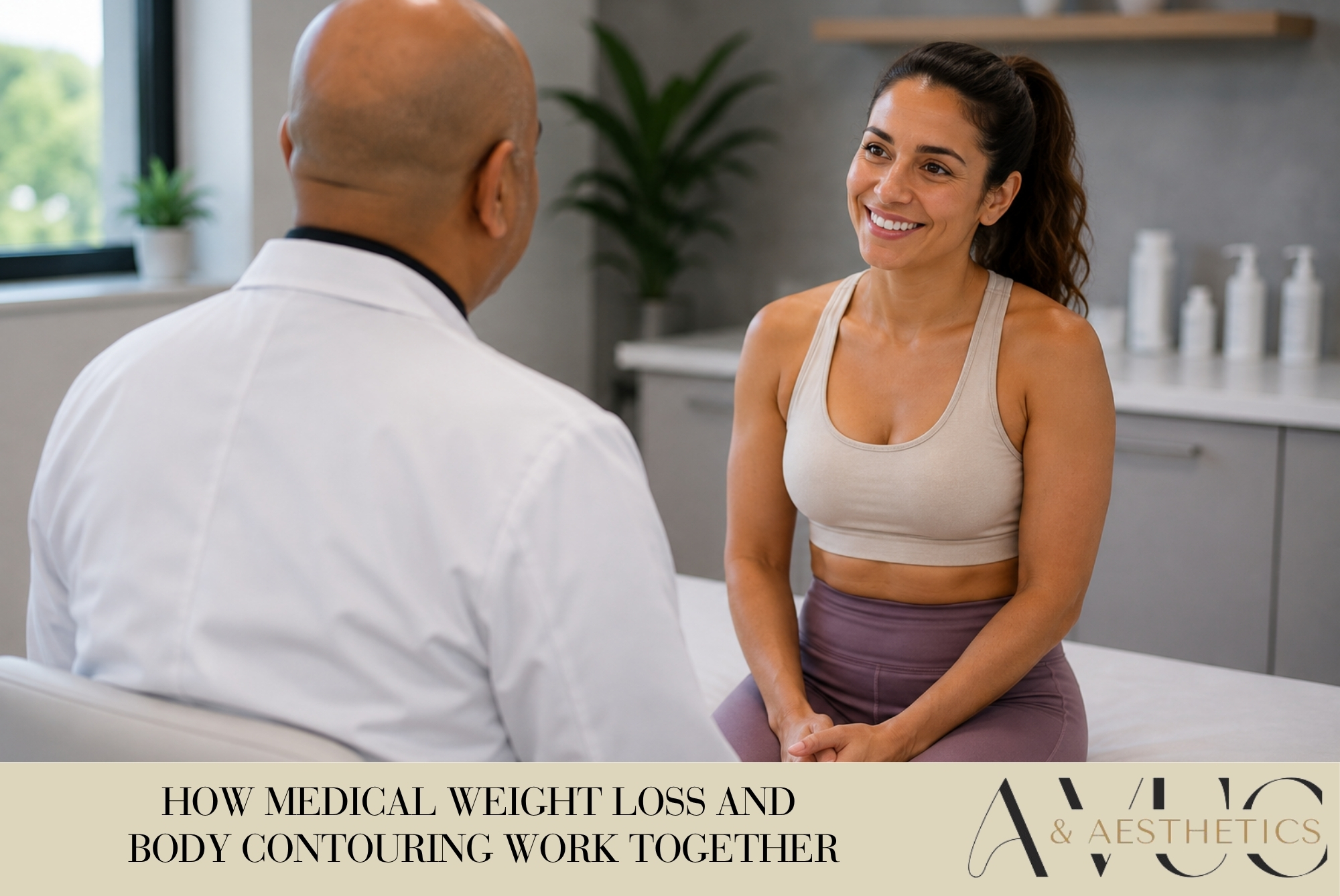
Achieving a healthier weight can be an important step toward improving overall wellness, confidence, and quality of life. However, weight loss and body shape are not always the same thing. Even after meaningful weight loss, some people may notice stubborn areas of fat or changes in their body contours that do not fully respond to diet and exercise.
This is where medical weight loss and body contouring can complement one another. Medical weight loss focuses on helping eligible patients manage their weight through an individualized, medically supervised approach, while body contouring focuses on refining specific areas of the body.
At Apricot Valley Urgent Care & Aesthetics, patients in Patterson and Modesto, California, can discuss their health goals, weight-management concerns, and aesthetic objectives with a healthcare professional. Understanding how medical weight loss and body contouring differ—and how they may fit into the same overall plan—can help patients make informed decisions about their care.
What Is Medical Weight Loss?
Medical weight loss is a healthcare-guided approach to weight management. Unlike generalized diet plans or commercial weight-loss programs, medical weight loss considers a patient’s individual health history, current weight, lifestyle, goals, and other relevant factors.
A medical weight-loss plan may include nutritional guidance, physical activity recommendations, behavioral strategies, ongoing monitoring, and, when clinically appropriate, prescription medication. The exact approach depends on the individual and should be determined after an appropriate medical evaluation.
Why Medical Supervision Matters
Weight management can be influenced by many factors, including calorie intake, physical activity, sleep, medications, age, hormones, genetics, and certain medical conditions. Because these factors differ from person to person, there is no single weight-loss strategy that is appropriate for everyone.
Medical supervision allows a healthcare professional to evaluate relevant health considerations before recommending a treatment plan. It also provides opportunities to monitor progress, discuss side effects or concerns, and modify the plan when necessary.
What Are the Goals of Medical Weight Loss?
The primary objective of medical weight loss is generally to help patients achieve and maintain clinically appropriate weight-management goals.
Depending on the individual, treatment may focus on gradual weight reduction, healthier eating patterns, increased physical activity, improved long-term weight management, or addressing health risks associated with excess weight.
Importantly, medical weight loss is not the same as body sculpting. Weight-management treatment addresses overall body weight and health, whereas body contouring is intended to address specific areas of the body.
What Is Body Contouring?
Body contouring refers to treatments designed to change or refine the appearance of targeted body areas. Depending on the technology or procedure being used, a body-contouring treatment may address localized fat, body shape, skin appearance, or other aesthetic concerns.
Body contouring should not generally be viewed as a substitute for medically appropriate weight management. Instead, it can serve a different purpose within a patient’s broader health and aesthetic plan.
Body Contouring vs. Weight Loss
One of the most important distinctions is that losing weight does not necessarily determine exactly where body fat will be lost.
A person can make substantial progress toward a healthier weight and still have areas that appear disproportionate or resistant to lifestyle changes. Genetics, age, sex, previous weight changes, and individual fat distribution can all influence body shape.
Medical weight loss is therefore focused on weight management, while body contouring is focused more specifically on the appearance and proportions of selected areas.
How Medical Weight Loss and Body Contouring Can Work Together
Medical weight loss and body contouring can be complementary because they address different aspects of a patient’s goals.
A patient may begin by concentrating on overall weight management through a medically supervised program. As progress occurs, the patient and healthcare provider can assess whether there are specific areas of concern that may be appropriate for an aesthetic treatment.
For suitable candidates, this creates a coordinated approach: medical weight loss supports broader weight-management objectives, while body contouring can address targeted aesthetic concerns.
Step 1: Establish Individual Health and Weight Goals
A comprehensive approach begins by identifying realistic goals. A patient’s desired number on the scale is only one consideration.
Healthcare professionals may also consider medical history, current medications, previous weight-management attempts, lifestyle, body composition, and other relevant factors.
Establishing these goals early can help determine whether medical weight management, aesthetic treatment, or a combination of approaches is appropriate.
Step 2: Follow a Personalized Medical Weight-Loss Plan
When medical weight loss is appropriate, treatment should be individualized. Some patients may primarily benefit from nutrition and activity modifications, while others may qualify for additional medical interventions.
Progress should be evaluated over time rather than solely by short-term changes on the scale. Sustainable habits and continued medical follow-up can be important components of long-term weight management.
Step 3: Evaluate Changes in Body Shape
As weight changes, body proportions may change as well. Areas that were less noticeable before weight loss may become more apparent afterward.
This does not necessarily mean that a weight-management plan has been unsuccessful. Rather, overall weight reduction and localized body shape are separate considerations.
At this stage, patients interested in aesthetic improvement can discuss whether body contouring may be appropriate for their particular concerns.
Step 4: Create a Targeted Body-Contouring Strategy
Body-contouring recommendations should be based on the patient’s anatomy, goals, treatment area, health status, and the specific technology available.
Rather than treating every patient according to the same template, an individualized consultation can help establish what a particular treatment can reasonably accomplish.
Step 5: Focus on Maintaining Results
Neither medical weight loss nor body contouring eliminates the importance of long-term healthy habits.
Maintaining a relatively stable weight, following appropriate nutrition and physical activity recommendations, attending recommended medical follow-ups, and following aftercare instructions can all play roles in maintaining progress.
Why Timing Matters With Weight Loss and Body Contouring
Patients sometimes wonder whether they should pursue body contouring before, during, or after losing weight. There is no universal answer.
The appropriate timing can depend on how much weight a person hopes to lose, whether their weight is currently changing, the body area being considered, the specific procedure, and their overall health.
Should You Lose Weight Before Body Contouring?
For some patients, progressing toward a stable or medically appropriate weight before certain body-contouring treatments may make it easier to evaluate their final areas of concern.
However, eligibility and timing vary considerably. A consultation is the appropriate way to determine whether treatment should begin now or after additional weight-management progress.
Can You Have Body Contouring While Losing Weight?
In some circumstances, aesthetic treatments may be considered while a patient is participating in a weight-management program. In other cases, a provider may recommend waiting until the patient’s weight is more stable.
The answer depends on the treatment being considered and the patient’s individual circumstances.
Why Stubborn Fat Can Remain After Weight Loss
Fat distribution is highly individual. When people lose weight, they cannot reliably instruct the body to remove fat from one particular location.
This is one reason exercises targeting a specific muscle group should not be confused with localized fat reduction. Strengthening a muscle can improve strength and muscle development, but fat loss is governed by broader physiological processes.
As a result, patients who have successfully lost weight may still be concerned about areas such as the abdomen, flanks, thighs, upper arms, or other regions.
A professional evaluation can help determine whether the concern involves localized fat, skin laxity, muscle tone, or a combination of factors, since different concerns may require different approaches.
Medical Weight Loss Is More Than a Number on the Scale
Successful weight management should not be judged exclusively by appearance. A comprehensive medical approach considers the broader health picture.
Depending on a patient’s circumstances, clinicians may monitor weight trends and other relevant clinical measurements while helping patients develop habits that support long-term health.
Building Sustainable Habits
Rapid or highly restrictive approaches can be difficult to maintain. A medically guided program can instead emphasize practical strategies that patients can incorporate into everyday life.
These may include balanced nutrition, appropriate physical activity, sufficient sleep, stress-management strategies, and consistent follow-up.
Long-term consistency often matters more than pursuing a temporary change solely for an upcoming event or aesthetic goal.
Body Contouring Is Not a Replacement for Weight Management
It is important to have realistic expectations about aesthetic procedures. Body contouring is generally intended to refine selected areas rather than function as a primary treatment for obesity or produce substantial overall weight loss.
Patients seeking significant weight reduction should discuss appropriate weight-management strategies with a qualified healthcare professional.
Once broader weight goals are being appropriately addressed, aesthetic treatments may be considered separately for specific concerns.
Benefits of Combining a Health and Aesthetic Approach
For appropriate candidates, combining medical weight management with aesthetic planning can provide a more comprehensive strategy.
Medical weight loss addresses broader health and weight-management objectives. Body contouring can then focus on specific areas that remain aesthetically concerning.
This distinction allows patients to pursue their goals without expecting one treatment to accomplish something it was not designed to do.
A More Personalized Treatment Plan
A combined approach also encourages personalization. Two patients at the same weight may have very different body compositions, health histories, aesthetic goals, and treatment needs.
An individualized consultation can help identify which concerns should be addressed medically and which may be appropriate for aesthetic treatment.
Realistic Expectations
A successful treatment plan also requires realistic expectations. Results from both weight-management programs and aesthetic procedures vary among individuals.
Factors such as starting weight, health history, adherence to treatment recommendations, genetics, age, lifestyle, treatment type, and individual response can influence outcomes.
No responsible healthcare or aesthetic plan should promise identical results for every patient.
Who May Be a Candidate for Medical Weight Loss?
Medical weight-management eligibility is determined individually. A healthcare professional may consider factors such as a patient’s current weight, body mass index, weight-related health concerns, medical history, medications, previous weight-loss efforts, and treatment goals.
Prescription weight-management medications are not appropriate for everyone and require appropriate clinical evaluation.
Patients should also tell their healthcare provider about medications, supplements, allergies, pregnancy or plans for pregnancy, and relevant medical history before beginning a new treatment program.
Who May Be a Candidate for Body Contouring?
Body-contouring candidacy depends on the treatment being considered.
Potential candidates may include adults who have localized aesthetic concerns, understand the limitations of treatment, have realistic expectations, and are medically appropriate for the selected procedure.
A consultation is necessary because not every aesthetic concern is caused by the same issue. What appears to be unwanted fat, for example, may also involve loose skin or other anatomical factors.
What to Discuss During Your Consultation
Patients considering medical weight loss, body contouring, or both should be prepared to discuss their goals openly with their provider.
Useful topics include previous weight-loss attempts, current medications and supplements, relevant medical conditions, recent weight changes, desired treatment areas, lifestyle habits, and expectations regarding results.
Patients should also ask about potential benefits, risks, side effects, alternatives, expected treatment schedules, aftercare requirements, costs, and how progress will be evaluated.
Medical Weight Loss and Body Contouring in Patterson and Modesto, CA
Patients interested in combining health-focused weight management with aesthetic goals can schedule a consultation with Apricot Valley Urgent Care & Aesthetics.
With locations in Patterson and Modesto, California, Apricot Valley Urgent Care & Aesthetics provides patients with an opportunity to discuss their individual goals and determine which available services may be appropriate.
Rather than treating weight loss and body contouring as interchangeable solutions, a personalized plan can consider each separately and determine how they may fit together.
Frequently Asked Questions About Medical Weight Loss and Body Contouring
What is the difference between medical weight loss and body contouring?
Medical weight loss is focused on managing overall body weight through healthcare-guided strategies. Body contouring focuses on improving the appearance or proportions of targeted body areas. They serve different purposes but may complement one another for appropriate patients.
Does body contouring help you lose weight?
Body contouring should generally not be considered a primary weight-loss treatment. Its purpose is typically aesthetic and targeted rather than producing substantial overall weight reduction.
Should I complete medical weight loss before body contouring?
Not necessarily. The ideal timing depends on your goals, current weight trajectory, treatment area, health status, and the specific body-contouring procedure being considered. Your provider can recommend an appropriate sequence.
Can stubborn fat remain after losing weight?
Yes. Fat distribution varies according to factors such as genetics, age, hormones, sex, and individual anatomy. Losing overall body weight does not guarantee that every body area will change to the same degree.
Can I target where I lose fat during medical weight loss?
Generally, overall weight-loss strategies cannot precisely control where the body loses fat first. Individual fat distribution and genetics play substantial roles in how body shape changes during weight loss.
Is medical weight loss the same as dieting?
No. While nutrition may be an important component, medical weight management can involve a broader clinical evaluation, individualized lifestyle recommendations, progress monitoring, and, when medically appropriate, prescription treatment.
Does medical weight loss involve prescription medication?
It can, but medication is not appropriate or necessary for every patient. A healthcare provider must determine whether a prescription weight-management medication is suitable based on individual clinical factors.
Is medical weight loss appropriate for everyone?
No. Treatment recommendations and eligibility depend on individual circumstances. A medical evaluation is necessary to determine appropriate options.
Is body contouring a treatment for obesity?
Body contouring is generally not a treatment for obesity. Patients seeking substantial weight reduction should discuss medically appropriate weight-management options with a healthcare professional.
What happens if I gain weight after body contouring?
Weight changes can affect body shape and may influence aesthetic results. Maintaining healthy habits and a relatively stable weight may help support longer-lasting results, although individual outcomes vary.
How long does medical weight loss take?
There is no universal timeline. Progress depends on factors including starting weight, treatment approach, health conditions, lifestyle, medications, and individual response. Your healthcare provider can establish appropriate goals and monitor progress over time.
How many body-contouring treatments will I need?
The number of treatments varies according to the technology used, treatment area, individual goals, and response. A provider can offer more specific guidance after evaluating you.
Can body contouring tighten loose skin after weight loss?
It depends on the type and degree of skin laxity and the treatment technology being considered. Localized fat and loose skin are different concerns, so an evaluation is important before selecting a treatment.
How do I know which option is right for me?
Start with a consultation. If your primary concern is overall weight management, medical weight-loss options may be the appropriate focus. If you are near your desired weight but concerned about specific body areas, body contouring may be worth discussing. Some patients may benefit from incorporating both approaches at different stages.
Can medical weight loss and body contouring be part of the same plan?
For appropriate patients, yes. Because the two approaches address different objectives, a provider may develop a plan in which medical weight management supports broader health and weight goals while body contouring addresses selected aesthetic concerns.
How can I schedule an appointment with Apricot Valley Urgent Care & Aesthetics?
Appointments can be requested online at avucandaesthetics.com/appointments or by calling (209) 843-0434. Apricot Valley Urgent Care & Aesthetics has locations in Patterson and Modesto, California.
Contact Information
Apricot Valley Urgent Care & Aesthetics
Patterson Location
1108 Ward Ave, Bldg A, Suite 2
Patterson, CA 95363
Modesto Location
3401 Dale Road, Suite 642-A
Modesto, CA 95356
Phone: (209) 843-0434
Website: avucandaesthetics.com
Appointments: avucandaesthetics.com/appointments