
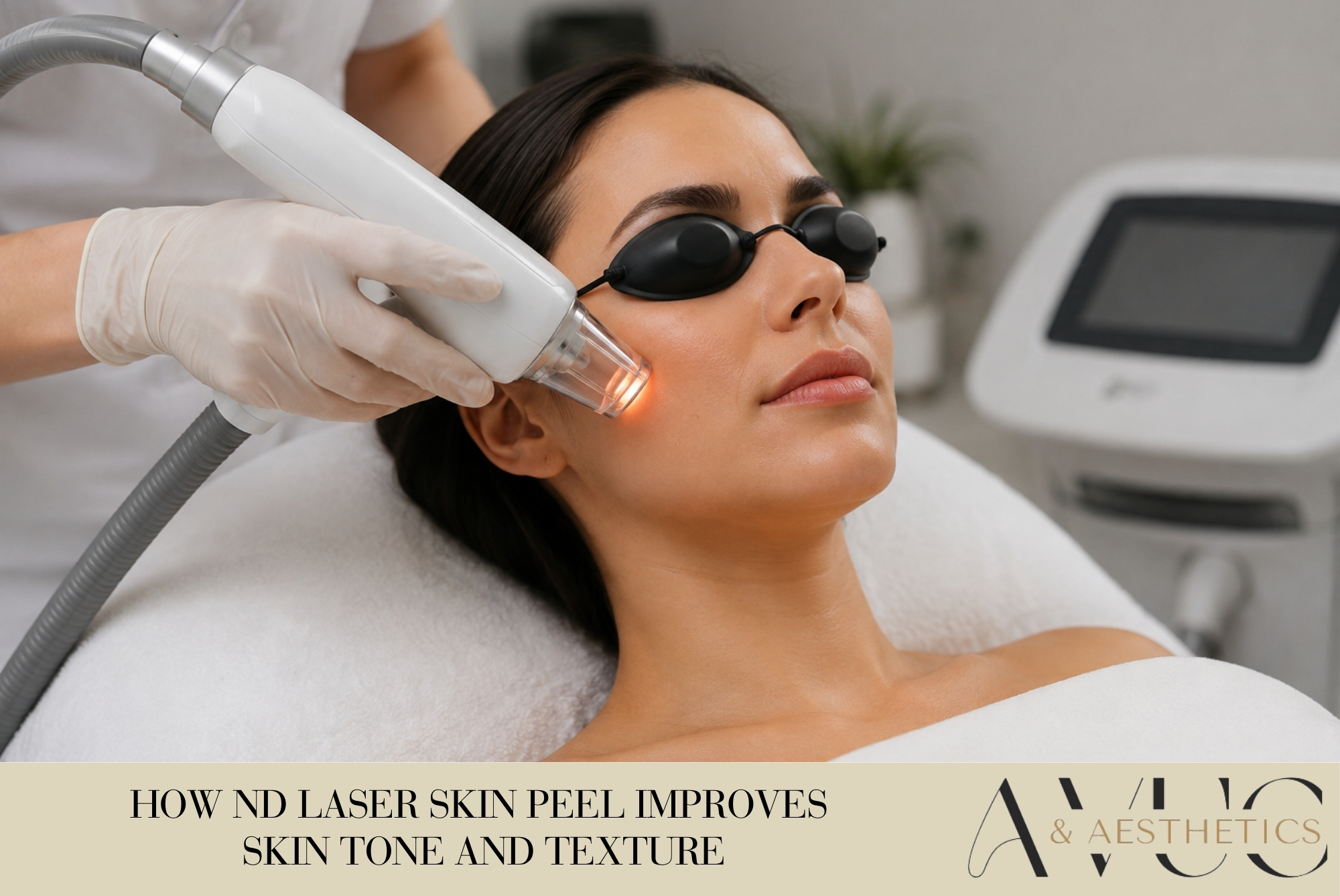
Uneven skin tone, rough texture, visible pores, and signs of sun exposure can make the complexion appear less smooth and radiant over time. For people looking for a non-surgical approach to skin rejuvenation, an ND:YAG laser skin peel may offer a way to improve the appearance of several common cosmetic skin concerns.
At Apricot Valley Urgent Care & Aesthetics, patients in Patterson, Modesto, and surrounding Central Valley communities can explore aesthetic treatments designed around their individual skin concerns and goals. ND:YAG laser technology uses a specific wavelength of light that can be applied in aesthetic treatments to target selected structures within the skin while supporting a more even-looking, refined complexion.
Understanding how an ND:YAG laser skin peel works, what concerns it may address, and what to expect from treatment can help you have a more informed conversation with a qualified healthcare professional about whether it is appropriate for you.
What Is an ND:YAG Laser Skin Peel?
An ND:YAG laser skin peel is an aesthetic laser treatment that uses neodymium-doped yttrium aluminum garnet, commonly abbreviated as Nd:YAG, as its laser medium. Nd:YAG lasers commonly operate at a wavelength of 1064 nanometers.
Rather than working exactly like a traditional chemical peel, an ND:YAG laser treatment uses controlled laser energy. Depending on the device, settings, and treatment protocol, the energy can interact with pigment and other targeted structures while producing controlled thermal effects within the skin.
Because laser treatments can be adjusted according to the treatment objective and individual patient, the experience and expected results can vary. A professional consultation is important before treatment.
How Does an ND:YAG Laser Skin Peel Work?
The ND:YAG laser delivers concentrated light energy into targeted areas of the skin. The 1064 nm wavelength can penetrate more deeply than many shorter-wavelength aesthetic lasers.
During certain aesthetic applications, controlled laser energy produces heat within targeted tissue. This process may be used to address specific cosmetic concerns and can also contribute to a smoother and more refined appearance over a series of treatments.
Treatment parameters matter significantly. Wavelength, pulse duration, fluence, spot size, cooling, and the patient’s skin characteristics can all influence how laser energy interacts with the skin. This is one reason laser procedures should be performed with careful patient assessment and appropriate professional oversight.
How Can an ND:YAG Laser Skin Peel Improve Skin Tone?
It Can Target the Appearance of Uneven Pigmentation
Areas of excess pigment can cause the complexion to look irregular or blotchy. Depending on the type and cause of pigmentation, laser energy may help reduce the appearance of selected pigmented concerns and create a more uniform-looking complexion.
Not every type of pigmentation should be treated in the same way, however. Conditions such as melasma and post-inflammatory hyperpigmentation require careful assessment because heat and inflammation can sometimes aggravate pigment problems. An evaluation can help determine whether ND:YAG treatment is suitable for the specific pigmentation concern.
It May Improve the Appearance of Sun-Damaged Skin
Years of ultraviolet exposure can contribute to visible discoloration, uneven pigmentation, and changes in skin texture. Laser-based rejuvenation may be incorporated into a broader aesthetic plan to improve the appearance of selected signs of photodamage.
Sun protection remains essential before and after aesthetic laser treatment. Laser procedures cannot prevent future UV damage, so daily sun-protective habits are an important part of maintaining cosmetic results.
It Can Promote a Brighter-Looking Complexion
A combination of uneven pigmentation, surface irregularities, and accumulated environmental damage can make skin appear dull. By addressing appropriate cosmetic concerns, an ND: YAG laser skin peel may help the complexion look clearer, brighter, and more even.
Results vary according to skin type, treatment settings, the condition being treated, and the number of sessions performed.
How Does ND: YAG Laser Treatment Improve Skin Texture?
Controlled Heat Can Support Collagen Remodeling
Collagen is a structural protein that contributes to the firmness and support of the skin. The body’s collagen composition and organization change with age and environmental exposure.
Controlled thermal energy produced during certain laser treatments can stimulate processes associated with collagen remodeling. Over time, this may contribute to smoother-looking skin and improvements in the appearance of some textural irregularities.
Because collagen remodeling is a biological process, improvements may develop gradually rather than immediately after a single appointment.
It May Refine the Appearance of Enlarged Pores
Pore size is influenced by genetics, oil production, skin elasticity, and other factors. A laser cannot permanently remove pores, which are normal anatomical structures.
However, improving the surrounding skin’s appearance and texture may make enlarged pores appear less noticeable. Patients concerned about visible pores can discuss whether laser treatment or another aesthetic option is most appropriate for their skin.
It May Improve Mild Textural Irregularities
ND:YAG treatments may help create a smoother overall appearance in appropriately selected patients. The degree of improvement depends on the cause and severity of the textural concern.
More pronounced acne scars, deep wrinkles, or significant textural changes may require a different laser modality, combination therapy, or another aesthetic procedure. A consultation helps establish realistic expectations.
ND:YAG Laser Skin Peel Benefits
Potential cosmetic benefits of an appropriately selected ND:YAG laser treatment may include a more even-looking skin tone, smoother-looking texture, reduced appearance of certain pigmentation concerns, a brighter complexion, less noticeable pores, and gradual improvements associated with collagen remodeling.
Another advantage for many patients is that some non-ablative laser protocols involve less recovery time than more aggressive resurfacing procedures. However, downtime varies considerably according to the device and treatment intensity.
Is ND:YAG Laser Treatment Suitable for Different Skin Tones?
The 1064 nm Nd:YAG wavelength is widely used in aesthetic medicine and can be considered for a range of skin types when appropriate settings and techniques are used. Its interaction with melanin differs from that of several shorter-wavelength lasers, which can make it useful in certain applications involving patients with darker skin tones.
That does not mean every ND:YAG procedure is automatically safe for every complexion. Laser treatment still carries risks such as burns and unwanted changes in pigmentation. Skin type, recent sun exposure, medications, medical history, treatment settings, and the specific cosmetic concern should all be considered before treatment.
What Happens During an ND:YAG Laser Skin Peel?
Before Treatment
A consultation typically comes first. Your provider may evaluate your skin, discuss the concerns you want to address, review relevant medical history and medications, and determine whether laser treatment is appropriate.
You may also receive instructions regarding sun exposure, skincare products, and other aesthetic treatments before your appointment.
During Treatment
The skin is generally cleansed before treatment. Protective eyewear is essential whenever laser energy is being used.
The laser handpiece is then passed over or applied to designated treatment areas according to the selected protocol. Patients may experience warmth, snapping, or tingling sensations. Comfort levels vary according to the device, treatment settings, treatment area, and individual sensitivity.
After Treatment
Some patients experience temporary redness, warmth, sensitivity, or mild swelling following laser treatment. The extent and duration of these effects depend on the procedure performed.
Your provider should give you individualized aftercare instructions. Following those directions carefully can help protect healing skin and reduce avoidable irritation.
How Long Does It Take to See Results?
The timeline varies. Some patients may notice changes in the appearance of their skin relatively soon after treatment, while improvements related to collagen remodeling can develop more gradually.
Multiple sessions may be recommended when the goal is progressive improvement in tone or texture. The appropriate number and spacing of treatments depend on the patient’s skin, the concern being treated, the laser protocol, and the desired outcome.
No responsible aesthetic provider can guarantee identical results for every patient.
How Long Do ND:YAG Laser Skin Peel Results Last?
The longevity of cosmetic results varies according to the concern treated, treatment plan, age, skincare habits, sun exposure, and other biological and lifestyle factors.
The natural aging process continues after treatment, and new sun damage or pigmentation can develop. Consistent sunscreen use and an appropriate skincare routine can therefore play an important role in maintaining the appearance of the skin.
Some patients may also choose periodic maintenance treatments if recommended by their provider.
ND:YAG Laser Skin Peel vs. Chemical Peel
Although both procedures may be described as “peels,” they work differently.
A chemical peel applies a chemical solution to produce controlled exfoliation at a selected depth. An ND:YAG laser procedure uses light energy and controlled thermal effects rather than a chemical exfoliating agent.
Neither approach is universally better. The appropriate treatment depends on the patient’s skin type, pigmentation, texture, sensitivity, goals, medical history, and desired recovery time.
A professional assessment is the best way to compare options for a specific skin concern.
Who May Be a Candidate for an ND:YAG Laser Skin Peel?
Potential candidates may include adults seeking improvement in concerns such as uneven-looking tone, dullness, selected pigmentation concerns, visible pores, or mild textural irregularities.
Candidacy should always be determined individually. Certain medications, active infections, skin conditions, recent tanning or substantial sun exposure, pregnancy considerations, a history of abnormal scarring, or other medical factors may influence whether treatment should be performed or postponed.
Providing an accurate health and medication history during your consultation is important.
Are There Side Effects or Risks?
ND:YAG laser treatment can cause side effects, even when performed appropriately. Temporary redness, warmth, swelling, tenderness, or irritation may occur.
Less common but potentially more significant complications can include burns, blistering, scarring, infection, and temporary or persistent changes in pigmentation.
Risk varies with the device, treatment settings, skin type, treatment area, sun exposure, and individual response. Patients should discuss potential benefits, alternatives, expected recovery, and risks with their provider before proceeding.
How to Care for Your Skin After an ND:YAG Laser Treatment
Protect Your Skin From the Sun
Sun protection is especially important following laser procedures. Follow your provider’s recommendations regarding sunscreen, protective clothing, and limiting direct sun exposure.
Keep Your Skincare Routine Gentle
Your skin may temporarily be more sensitive after treatment. Avoid introducing harsh exfoliants, aggressive scrubs, or strong active ingredients unless your provider has advised that they are appropriate.
Avoid Picking or Scratching
If the skin becomes dry, flaky, or irritated, avoid picking at it. Allow the treated area to recover naturally and follow the aftercare instructions you receive.
Follow Personalized Aftercare Instructions
Post-treatment recommendations can differ according to the exact laser protocol. Instructions from your treating provider should take priority over general skincare advice found online.
Contact the practice if you experience an unexpected reaction or have concerns during recovery.
Why Choose Apricot Valley Urgent Care & Aesthetics for Aesthetic Skin Care?
Choosing an aesthetic treatment should begin with understanding your skin and determining whether a particular procedure matches your goals.
Apricot Valley Urgent Care & Aesthetics serves patients from locations in Patterson and Modesto, California. Patients interested in improving skin tone, texture, or other cosmetic concerns can schedule an appointment to discuss available aesthetic services and an individualized approach to care.
Rather than assuming that one laser or procedure is right for everyone, an evaluation allows your provider to consider your skin characteristics, concerns, expectations, and relevant health history before recommending treatment.
Frequently Asked Questions About ND:YAG Laser Skin Peels
What does ND:YAG mean?
Nd:YAG stands for neodymium-doped yttrium aluminum garnet. It is a solid-state laser medium used in medical and aesthetic laser systems.
What wavelength does an ND:YAG laser use?
A commonly used Nd:YAG wavelength is 1064 nanometers. Some systems can also produce other wavelengths through frequency conversion, but 1064 nm is the wavelength most strongly associated with Nd:YAG aesthetic applications.
What does an ND:YAG laser skin peel do?
Depending on the treatment protocol, an ND:YAG laser procedure may be used to improve the appearance of uneven pigmentation, dullness, visible pores, and certain textural concerns. The specific effects depend on the device, settings, and condition being treated.
Can ND:YAG improve uneven skin tone?
It may help improve the appearance of certain causes of uneven pigmentation and discoloration. Because pigmentation can have many causes, a skin assessment is important before deciding whether laser treatment is appropriate.
Does ND:YAG improve skin texture?
Certain ND:YAG treatments use controlled thermal energy that may support collagen remodeling and improve the appearance of mild textural irregularities over time.
Can ND:YAG treatment make pores look smaller?
It may make enlarged pores appear less noticeable by improving the appearance of the surrounding skin. It cannot permanently eliminate pores.
Does an ND:YAG laser remove wrinkles?
ND:YAG treatment may improve certain signs of skin aging, but it should not be considered a universal wrinkle-removal procedure. Results depend on wrinkle depth, skin characteristics, treatment parameters, and whether other treatments are used.
Can ND:YAG help with acne scars?
Some laser treatments can improve aspects of acne-related texture, but the best treatment depends on the type and severity of the scarring. Deep or complex acne scars may require other resurfacing or combination treatments.
Is ND:YAG suitable for darker skin tones?
The 1064 nm Nd:YAG wavelength can be used for a range of skin types in appropriate circumstances. However, darker skin can still develop burns or pigment changes from laser treatment, so appropriate assessment, settings, and technique are essential.
Is an ND:YAG laser skin peel painful?
Comfort varies. Patients may feel warmth, tingling, or a snapping sensation during treatment. The sensation depends on the device, settings, treatment area, and individual sensitivity.
Is there downtime after an ND:YAG laser treatment?
Downtime depends on the treatment protocol and intensity. Some non-ablative treatments may involve relatively limited recovery, while redness, sensitivity, or swelling can occur temporarily.
How many ND:YAG laser treatments will I need?
There is no universal number. The recommended treatment series depends on your skin, the concern being addressed, treatment intensity, response to previous sessions, and cosmetic goals.
How quickly will I see improvements?
Timing varies. Certain visible changes may develop relatively quickly, while changes associated with collagen remodeling may emerge gradually over the following weeks or months.
Can I wear makeup after treatment?
This depends on how your skin responds and the specific procedure performed. Your provider can tell you when it is appropriate to resume makeup and other skincare products.
What should I avoid after an ND:YAG laser treatment?
You may be instructed to limit direct sun exposure and temporarily avoid irritating skincare products, vigorous exfoliation, excessive heat, or other activities that could aggravate treated skin. Follow the specific aftercare plan provided by your treating professional.
Can ND:YAG treatment permanently prevent pigmentation?
No. Even when existing pigmentation improves, new discoloration can develop from sun exposure, hormonal factors, inflammation, aging, or other causes. Consistent sun protection is important.
Is ND:YAG the same as laser resurfacing?
Not necessarily. “Laser resurfacing” describes a broad category of treatments, including ablative and non-ablative approaches. ND:YAG systems can be used in different ways depending on the device and clinical objective, so the exact procedure should be discussed with your provider.
Is ND:YAG better than a chemical peel?
One is not automatically better than the other. Chemical peels and laser treatments work through different mechanisms and may be better suited to different concerns. Your skin type, pigmentation, sensitivity, treatment goals, and desired downtime should help guide the decision.
How can I find out if an ND:YAG laser skin peel is right for me?
Schedule a consultation with Apricot Valley Urgent Care & Aesthetics. A provider can assess your skin, discuss your cosmetic goals, review relevant health factors, and explain whether an ND:YAG treatment or another aesthetic option may be appropriate.
Schedule an Aesthetic Consultation in Patterson or Modesto, CA
If uneven skin tone, rough texture, visible pores, or other cosmetic skin concerns are affecting how you feel about your complexion, learning about available treatment options is a useful first step.
Apricot Valley Urgent Care & Aesthetics offers convenient locations in Patterson and Modesto, California. Schedule an appointment to discuss your concerns, learn more about available aesthetic treatments, and determine which approach is appropriate for your skin and goals.
Contact Information
Apricot Valley Urgent Care & Aesthetics
Patterson Location
1108 Ward Ave, Bldg A, Suite 2
Patterson, CA 95363
Modesto Location
3401 Dale Road, Suite 642-A
Modesto, CA 95356
Phone: (209) 843-0434
Website: avucandaesthetics.com
Appointments: avucandaesthetics.com/appointments