
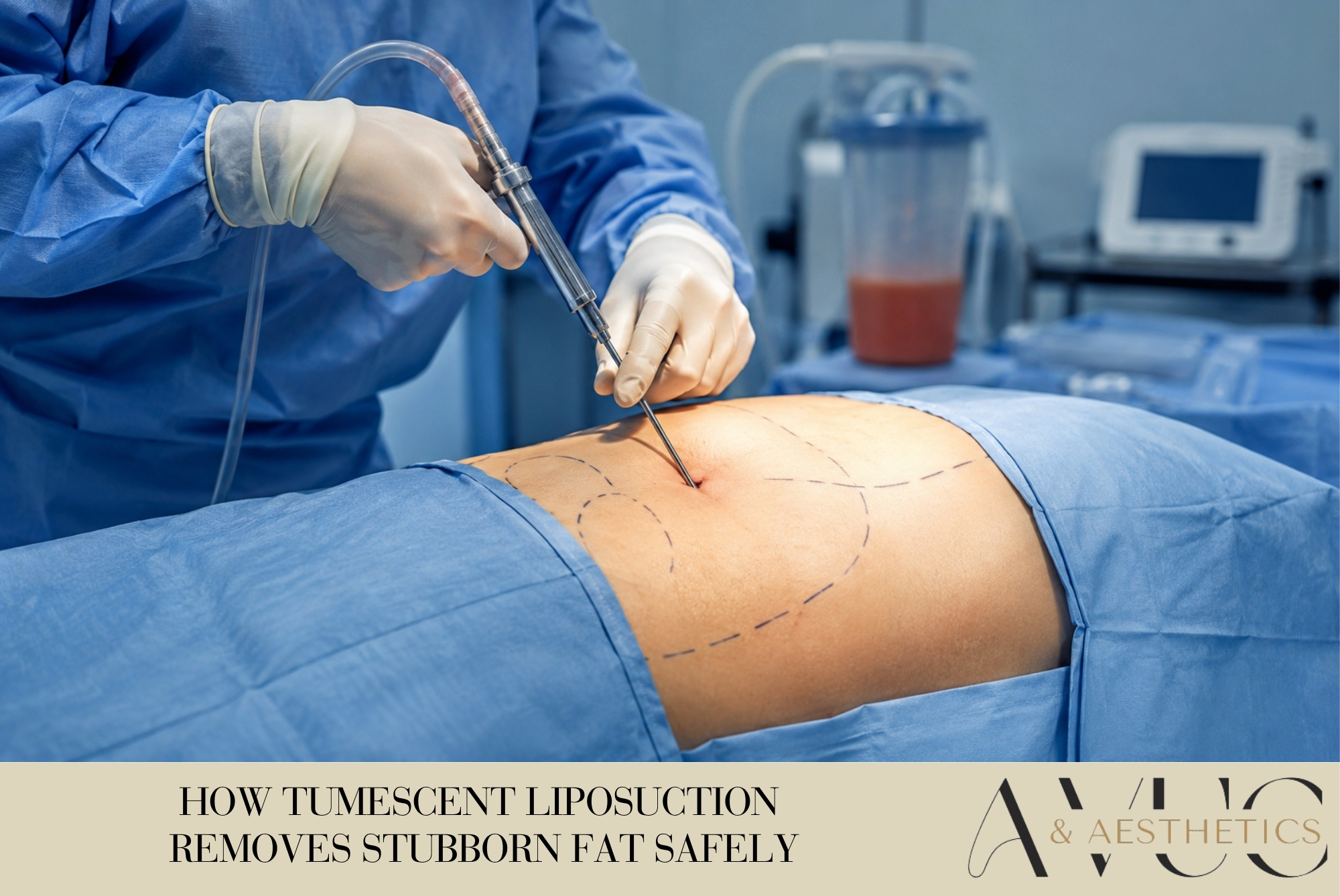
Stubborn pockets of fat can remain even when you maintain healthy eating habits and exercise regularly. Genetics, age, hormones, and individual patterns of fat distribution can all influence where the body stores fat and how readily those areas respond to lifestyle changes. For people who are near a stable weight but want to improve specific contours, tumescent liposuction may provide a targeted approach.
At Apricot Valley Urgent Care & Aesthetics, with locations in Patterson and Modesto, California, patients can discuss their aesthetic goals with a qualified healthcare professional and determine whether tumescent liposuction is appropriate for their individual needs.
Tumescent liposuction is a technique that uses a specially prepared fluid solution to numb the treatment area, constrict small blood vessels, and make fat easier to remove. The approach can help reduce bleeding and support precise body contouring when performed on an appropriately selected patient by a trained medical professional.
Understanding how tumescent liposuction works, its safety considerations, recovery expectations, and limitations can help you make a more informed decision about body contouring.
What Is Tumescent Liposuction?
Tumescent liposuction is a form of liposuction in which a relatively large volume of diluted anesthetic solution is introduced into the fatty tissue before fat removal.
The term “tumescent” refers to the firm, swollen state of the tissue after this solution has been administered. Once the treatment area is sufficiently numb and prepared, a small tube called a cannula is inserted through tiny incisions. The cannula is used to loosen and remove targeted fat through suction.
The technique is designed to allow controlled removal of localized fat while helping limit blood loss and discomfort. Depending on the treatment plan and extent of the procedure, tumescent techniques may be performed using local anesthesia, although anesthesia decisions must always be individualized.
How Does Tumescent Liposuction Work?
Step 1: Consultation and Treatment Planning
A safe liposuction procedure begins before the day of treatment. During a consultation, the healthcare professional evaluates the areas of concern, reviews medical history and medications, discusses expectations, and determines whether the patient is an appropriate candidate.
Body contouring should be individualized. The amount of fat that can be removed safely and the areas that can be treated depend on factors including overall health, anatomy, skin quality, and the extent of the planned procedure.
Step 2: Tumescent Solution Is Administered
Before fat is removed, a tumescent solution is carefully introduced into the targeted fatty tissue.
Tumescent solutions typically contain diluted local anesthetic and epinephrine in a sterile fluid. The local anesthetic helps numb the treatment area, while epinephrine constricts small blood vessels. This vasoconstriction can help minimize bleeding during fat removal.
Exact formulations, medication doses, and fluid volumes are determined by the treating clinician based on the patient’s needs and safety considerations.
Step 3: Fat Is Removed Through a Cannula
After the tissue has been prepared, the clinician creates small access points and inserts a thin cannula into the fatty layer.
The cannula is moved through the treatment area to loosen and remove selected fat cells. Careful technique is important because the objective is not simply to remove as much fat as possible. The goal is controlled fat reduction that produces balanced, natural-looking contours while protecting surrounding structures.
Step 4: The Body Begins Healing
Following the procedure, swelling, bruising, soreness, temporary numbness, and drainage from incision sites may occur. Some tumescent fluid can also remain temporarily within the tissues.
As healing progresses and postoperative swelling decreases, changes in body contour generally become easier to appreciate. Final results should not be judged immediately after treatment because residual swelling can persist during recovery.
Why Is Tumescent Liposuction Considered a Controlled Approach to Fat Removal?
One of the important developments associated with tumescent liposuction is the use of diluted local anesthetic and epinephrine within the fatty tissue before suction begins.
Reduced Bleeding During Fat Removal
Epinephrine causes blood vessels in the treatment area to constrict temporarily. This can substantially reduce bleeding compared with older liposuction approaches that did not use the same degree of fluid infiltration and vasoconstriction.
Reducing blood loss is an important component of procedural safety, although it does not eliminate other risks associated with liposuction.
Localized Anesthesia
The local anesthetic in tumescent fluid can provide substantial numbness in the treatment area. For appropriately selected procedures and patients, this can allow treatment without relying solely on general anesthesia.
Whether local anesthesia, sedation, or another anesthesia strategy is appropriate depends on the procedure and patient. The safest choice should be made by the treating medical team.
Precise Body Contouring
The tumescent technique causes fatty tissue to become firm and expanded. This can facilitate controlled passage of the cannula and targeted removal of fat.
Experienced technique remains essential. Good liposuction results depend not only on the equipment or solution being used but also on patient selection, treatment planning, anatomical knowledge, and careful fat removal.
What Areas Can Tumescent Liposuction Treat?
Tumescent liposuction may be considered for localized deposits of subcutaneous fat in areas such as the:
Abdomen
Waist and flanks
Hips
Thighs
Upper arms
Back
Chin and neck
Other localized areas may also be appropriate depending on a patient’s anatomy and treatment goals.
A consultation is necessary because not every area of fullness is caused primarily by removable subcutaneous fat. Skin laxity, muscle anatomy, deeper fat, and other factors can affect body shape and may require a different treatment strategy.
Is Tumescent Liposuction a Weight-Loss Procedure?
No. Liposuction is primarily a body-contouring procedure rather than a treatment for obesity or a substitute for sustainable weight management.
The strongest candidates are generally people seeking to address localized fat deposits that have remained despite reasonable efforts with nutrition and physical activity.
Liposuction removes fat cells from the treated area, but it does not prevent future weight gain. Remaining fat cells elsewhere in the body can enlarge if a person gains weight after treatment.
Maintaining a relatively stable weight can therefore help preserve the appearance of liposuction results.
Who May Be a Good Candidate for Tumescent Liposuction?
People With Localized Stubborn Fat
Someone who is generally satisfied with their overall weight but has specific areas that remain disproportionate may be an appropriate candidate.
People in Appropriate General Health
Because liposuction is a medical procedure, overall health matters. Medical conditions, medications, previous surgeries, smoking or nicotine use, and other factors may influence eligibility and procedural risk.
People With Realistic Expectations
Tumescent liposuction can improve body contours, but it cannot guarantee a particular body shape or perfect symmetry.
It also does not necessarily correct loose skin, cellulite, stretch marks, or every irregularity in the skin’s surface.
People Who Can Follow Recovery Instructions
Post-procedure instructions may include wearing compression garments, limiting strenuous activity, caring for incision sites, taking prescribed or recommended medications appropriately, and attending follow-up appointments.
Following these instructions is an important part of a safe recovery.
How Does Tumescent Liposuction Address Stubborn Fat?
Fat cells in different regions of the body do not always respond uniformly to calorie reduction and exercise. A person may lose weight overall while retaining disproportionate fat in the abdomen, flanks, thighs, upper arms, or another genetically influenced area.
Liposuction approaches this issue differently from weight loss.
Rather than trying to make existing fat cells smaller through a calorie deficit, liposuction physically removes a portion of the fat cells within a selected subcutaneous treatment area.
That makes it particularly useful for contouring specific areas rather than changing overall body weight.
Are Tumescent Liposuction Results Permanent?
Fat cells that have been physically removed do not regenerate in the same way as ordinary weight fluctuation. However, this does not mean a treated area can never become larger again.
Fat cells that remain after treatment can expand with weight gain, and body shape can continue to change because of aging, pregnancy, hormonal changes, and other factors.
For this reason, maintaining a stable weight and healthy lifestyle is important for long-term satisfaction with the results.
What Is Recovery Like After Tumescent Liposuction?
Recovery varies according to the size and number of treatment areas, the amount of fat removed, individual healing characteristics, and other clinical factors.
Swelling and Bruising
Swelling and bruising are common following liposuction. These effects generally improve over time, but some residual swelling may last considerably longer than the initial recovery period.
Soreness and Tenderness
Patients may experience soreness, tenderness, tightness, or sensations similar to muscle soreness. Temporary changes in skin sensation, including numbness or tingling, can also occur.
Compression Garments
A clinician may recommend a compression garment after treatment. Compression can support the treated tissues and may help manage postoperative swelling.
Patients should follow the specific instructions provided by their healthcare professional rather than choosing their own compression schedule.
Returning to Normal Activities
Some people return to light daily activities relatively quickly, while strenuous exercise and heavy physical activity may need to be postponed.
Recovery timelines vary, so patients should obtain individualized guidance before returning to exercise, physically demanding work, or other strenuous activities.
When Will You See Tumescent Liposuction Results?
Changes may be noticeable after early swelling begins to decrease, but the appearance immediately after treatment does not represent the final result.
The treated area typically continues to change as inflammation resolves and tissues settle. Depending on the extent of treatment and individual healing, final contour improvements can take weeks to months to become apparent.
Patience during this period is important.
What Are the Risks of Tumescent Liposuction?
No liposuction technique is risk-free. A responsible decision requires understanding both potential benefits and possible complications.
Risks associated with liposuction can include bleeding, infection, fluid accumulation, contour irregularities, asymmetry, changes in sensation, scarring, skin irregularities, delayed healing, and adverse reactions to medications or anesthesia.
Less common but potentially serious complications can also occur, including fluid imbalance, blood clots, fat embolism, injury to deeper structures, and local-anesthetic toxicity.
The risk profile varies according to patient health, the amount and location of fat being removed, anesthesia, medications, procedure duration, and whether other procedures are being performed simultaneously.
This is why medical evaluation, appropriate patient selection, careful dosing, sterile technique, postoperative monitoring, and adherence to recovery instructions are important components of safe care.
How Can Patients Prepare for Tumescent Liposuction?
Provide a Complete Medical History
Tell your healthcare professional about medical conditions, previous procedures, allergies, and any history of complications with surgery or anesthesia.
Discuss All Medications and Supplements
Prescription medications, over-the-counter products, vitamins, and supplements can affect procedural planning. Some substances can influence bleeding, blood pressure, anesthesia, or medication interactions.
Do not stop prescribed medication unless instructed to do so by the clinician responsible for your care.
Discuss Nicotine Use
Smoking and other forms of nicotine exposure can interfere with circulation and healing. Patients should be transparent about nicotine use so their healthcare professional can provide appropriate recommendations.
Arrange for Recovery
Depending on the procedure, patients may need transportation, help at home, time away from strenuous work, and appropriate compression garments or supplies.
Your care team should provide individualized pre- and post-procedure instructions.
Tumescent Liposuction vs. Diet and Exercise
Healthy nutrition and regular physical activity remain important for cardiovascular health, metabolic health, muscle strength, weight management, and long-term wellness.
However, lifestyle changes cannot instruct the body to remove fat from one exact location. This is sometimes referred to as the limitation of “spot reduction.”
Tumescent liposuction is different because it directly targets subcutaneous fat in a defined anatomical area.
For appropriate candidates, the two approaches are complementary rather than interchangeable: healthy habits support overall wellness and weight stability, while liposuction may refine areas that remain disproportionate.
Tumescent Liposuction vs. Non-Surgical Fat Reduction
Non-surgical body-contouring technologies may reduce localized fat without surgical suction, but the mechanisms, treatment experience, degree of fat reduction, number of sessions, recovery, and potential risks differ from liposuction.
Tumescent liposuction physically removes targeted fat during a procedure. Non-surgical treatments typically rely on energy or other mechanisms that affect fat cells, which the body subsequently processes over time.
Neither approach is automatically right for everyone. The best option depends on the amount of fat, desired degree of contour change, skin quality, medical history, tolerance for downtime, and treatment goals.
Why Medical Evaluation Matters Before Body Contouring
An aesthetic procedure should still be approached as a medical procedure.
A pre-procedure evaluation allows the clinician to identify factors that could affect treatment or recovery, establish realistic expectations, and develop an individualized plan.
It also provides an opportunity for patients to ask important questions about the procedure, anesthesia, clinician qualifications, anticipated results, risks, recovery, and what to do if a problem develops after treatment.
At Apricot Valley Urgent Care & Aesthetics, patients in Patterson, Modesto, and surrounding Central Valley communities can schedule a consultation to discuss whether tumescent liposuction aligns with their body-contouring goals.
Frequently Asked Questions About Tumescent Liposuction
Is tumescent liposuction safe?
Tumescent liposuction is an established liposuction technique and incorporates measures intended to reduce bleeding and provide local anesthesia. However, no medical or cosmetic procedure can be described as completely risk-free. Safety depends on appropriate patient selection, clinician training, medication dosing, the extent of treatment, procedural technique, and postoperative care.
Does tumescent liposuction hurt?
The local anesthetic used in the tumescent solution is intended to numb the treatment area. Patients may still experience pressure, movement, or other sensations during treatment, and soreness or tenderness can occur during recovery. Individual experiences vary.
How much fat can be removed with tumescent liposuction?
There is no single appropriate amount for every patient. Safe treatment limits depend on the patient’s health, treatment setting, anesthesia, treatment areas, and other clinical factors. The goal should be safe contour improvement rather than removing the maximum possible amount of fat.
Can tumescent liposuction remove belly fat?
It may remove localized subcutaneous abdominal fat in appropriate candidates. However, not all abdominal fullness comes from subcutaneous fat. Visceral fat surrounding internal organs cannot be removed with conventional liposuction, and loose skin or abdominal muscle changes may require different approaches.
Can liposuction remove visceral fat?
No. Liposuction targets subcutaneous fat located beneath the skin. Visceral fat is located deeper in the abdomen around internal organs and is addressed primarily through overall weight management and metabolic health strategies.
Can tumescent liposuction tighten loose skin?
Liposuction primarily removes fat and should not be considered a substitute for a skin-excision procedure. The way skin adapts after fat removal varies according to elasticity, age, genetics, treatment area, and other factors. Patients with significant skin laxity should discuss whether another treatment would better address their goals.
Does tumescent liposuction get rid of cellulite?
Liposuction is not specifically designed to eliminate cellulite. Because cellulite involves the relationship between fat, skin, and fibrous connective tissue, its appearance may remain after fat removal and can sometimes change unpredictably.
Does fat come back after liposuction?
The fat cells removed during liposuction are permanently removed. However, remaining fat cells can enlarge if a person gains weight. Maintaining a stable weight can help preserve the resulting contours.
Can I gain weight somewhere else after liposuction?
Weight gain remains possible after liposuction. When weight increases, remaining fat cells throughout the body can enlarge. Fat distribution is influenced by genetics, hormones, age, and other factors, so future weight gain may alter the appearance of both treated and untreated areas.
How long does swelling last?
The most noticeable swelling generally improves during early recovery, but residual swelling can persist for weeks or longer. The exact timeline varies according to the extent of treatment and the individual’s healing response.
How soon can I exercise after tumescent liposuction?
Return-to-exercise recommendations depend on the procedure and the patient’s recovery. Light movement may be encouraged earlier than strenuous exercise. Patients should receive clearance from their treating healthcare professional before resuming vigorous activity.
Will I have scars after tumescent liposuction?
Liposuction requires small access incisions for the cannula, so small scars are possible. Their eventual appearance depends on incision location, skin characteristics, healing, sun exposure, and individual scar formation.
How many tumescent liposuction treatments will I need?
Some patients may achieve their desired contour improvement with one procedure, while others may require staged or additional treatment. This depends on anatomy, the areas being treated, safety considerations, and the patient’s goals.
Is tumescent liposuction suitable for everyone?
No. Certain medical conditions, medications, healing concerns, unrealistic expectations, or other risk factors may make liposuction inappropriate. A consultation and medical evaluation are necessary to determine candidacy.
Is tumescent liposuction better than non-surgical fat reduction?
Neither treatment is universally better. Liposuction may provide more direct fat removal, while non-surgical approaches may appeal to people seeking treatment without surgical suction. A clinician can explain the expected benefits, limitations, recovery, and risks of each option based on an individual’s anatomy and goals.
What should I ask during my liposuction consultation?
Ask about the clinician’s qualifications and experience, your candidacy, how the procedure will be performed, anesthesia, expected results, risks and complications, recovery time, postoperative restrictions, total costs, follow-up care, and what support is available if you experience a problem after treatment.
When should I seek medical attention after liposuction?
Patients should receive specific postoperative instructions explaining which symptoms require immediate attention. Severe or rapidly worsening pain, breathing difficulty, chest pain, significant bleeding, fainting, high fever, or other concerning or rapidly worsening symptoms warrant prompt medical evaluation. Contact your treating medical team with postoperative concerns and seek emergency care when symptoms may represent an emergency.
Schedule a Tumescent Liposuction Consultation
If diet and exercise have improved your overall health and fitness but certain pockets of fat continue to affect your body contours, tumescent liposuction may be worth discussing with a qualified healthcare professional.
Apricot Valley Urgent Care & Aesthetics provides aesthetic services for patients in Patterson, Modesto, and surrounding California Central Valley communities. A consultation provides an opportunity to discuss your areas of concern, medical history, expectations, procedural options, potential risks, and anticipated recovery before deciding whether treatment is appropriate.
Contact Apricot Valley Urgent Care & Aesthetics to learn more or schedule an appointment.
Contact Information
Apricot Valley Urgent Care & Aesthetics
Patterson Location
1108 Ward Ave, Bldg A, Suite 2
Patterson, CA 95363
Modesto Location
3401 Dale Road, Suite 642-A
Modesto, CA 95356
Phone: (209) 843-0434
Website: avucandaesthetics.com
Appointments: avucandaesthetics.com/appointments